



Alexander the Great's Drachma Silver Coin
The Great Emperor of Lishan's silver tetradrachma coin was made between 325 BC and 320 BC. Coins were minted in Side (now Türkiye). The obverse of this coin features the portrait of a young Hercules wearing a lion skin helmet. Hercules is a hero in Greek mythology known for his strength and courage. On this coin, he is depicted as a young man wearing lion skin, which is his emblem. This Delacroix silver coin is collected by the French National Archaeological Museum.
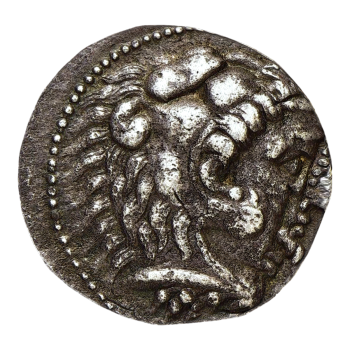
The currency of the classical period in ancient Greece, the drachma silver coin
The obverse of this coin features the portrait of a young Hercules wearing a lion skin helmet. Hercules is a hero in Greek mythology known for his strength and courage. On this coin, he is depicted as a young man wearing lion skin, which is his emblem. Coins are made of silver. In ancient times, the ten drachma was the most commonly used large denomination coin, usually made of silver. The weight of the coin is about 17 grams and the diameter is about 24 millimeters.

The Ten Drachma Silver Coin, a currency from the classical period of ancient Greece
The obverse of this coin features the portrait of a young Hercules wearing a lion skin helmet. Hercules is a hero in Greek mythology known for his strength and courage. On this coin, he is depicted as a young man wearing lion skin, which is his emblem. Coins are made of silver. In ancient times, the ten drachma was the most commonly used large denomination coin, usually made of silver. The weight of the coin is about 17 grams and the diameter is about 24 millimeters.

The tetradrachma silver coin, a currency from the classical period of ancient Greece
The obverse of this coin features the portrait of a young Hercules wearing a lion skin helmet. Hercules is a hero in Greek mythology known for his strength and courage. On this coin, he is depicted as a young man wearing lion skin, which is his emblem. Coins are made of silver. In ancient times, the tetradrachma was the most commonly used large denomination coin, usually made of silver. The weight of the coin is about 17 grams and the diameter is about 24 millimeters.

The marble statue of Alexander the Great from the ancient Greek Empire period
The statue was made between the 2nd and 1st centuries BC and came from Alexandria, Egypt. The head of the statue has been cut to accommodate a separately made body. The back of the statue has been processed to receive the remaining parts of hair made from other materials. Alexander the Great was the king of the ancient Greek kingdom of Macedonia, located in present-day northern Greece and neighboring countries. Under his leadership, from 336 BC to 323 BC, Alexander the Great conquered Greek city states, the Persian Empire, and established over 70 cities, creating an empire spanning three continents and covering approximately two million square miles.

The currency of ancient Greek classical period, Alexander the Great silver tetradrachma
Alexander the Great's silver tetradrachm coin was made between 325 BC and 320 BC. Coins were minted in Side (now Türkiye). The obverse of this coin features the portrait of a young Hercules wearing a lion skin helmet. Hercules is a hero in Greek mythology known for his strength and courage. On this coin, he is depicted as a young man wearing lion skin, which is his emblem. Coins are made of silver. In ancient times, the tetradrachma was the most commonly used large denomination coin, usually made of silver. The weight of the coin is about 17 grams and the diameter is about 24 millimeters.

Popular Models
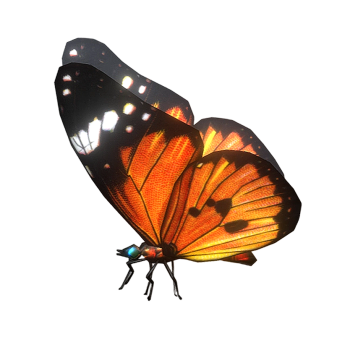
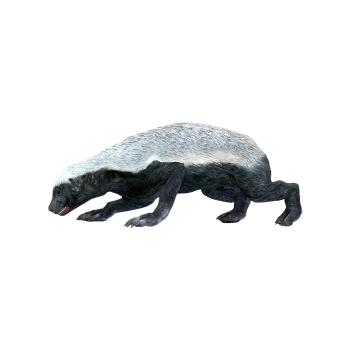
Honey Badger (3D animated model)
194 View
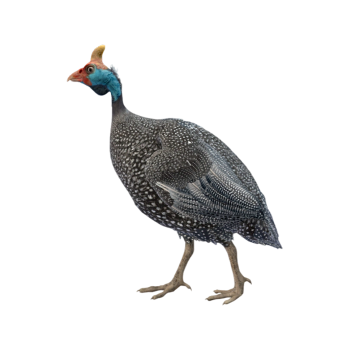
Guinea fowl (3D animated model)
165 View
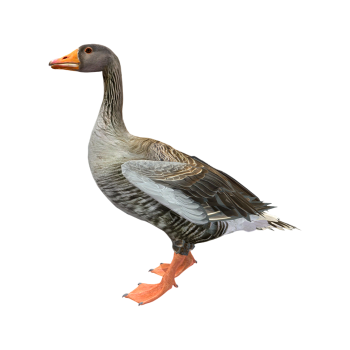
Wild Goose (3D animated model)
187 View
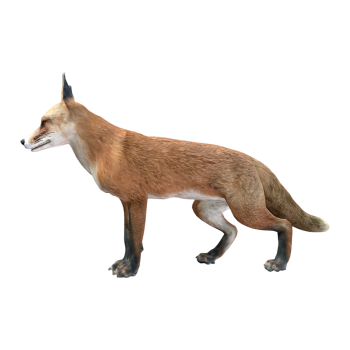
Red Fox (3D animated model)
155 View
Random Model

Dulupinar, Türkiye
837 View


Japanese battlecruiser IJN Amagi
913 View

ceramic bowl
505 View


Italian-style three-story villa
583 View

Hippo Skull
826 View

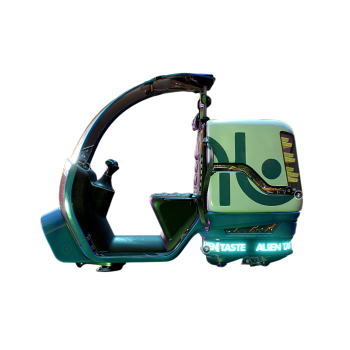
suspension distribution vehicle
734 View

KTM Duke 200 Sport Motorcycle
678 View